
Antimicrobial Resistance
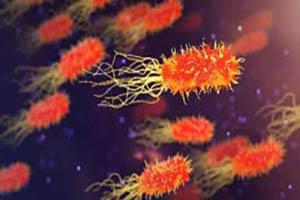
Antimicrobial Resistance (AMR) is the term used to describe the point at which medications used to treat pathogens (bacteria, viruses, parasites, fungi) are no longer effective, such as when bacteria develop resistance to antibiotics.
Each year, antimicrobial resistance leads to millions of infections and thousands of human deaths in the U.S. This is because treatment of humans and animals with infections caused by AMR pathogens is often more challenging to treat. Limited treatment options for AMR infections result in more severe illness, which can often be life-threatening.
Antimicrobial use in people, animals, and on crops contributes to the spread of resistance between people, animals, and the environment. The environment plays an important role in AMR, serving as a sentinel for AMR bacteria, associated resistance genes, and antimicrobial residues.
How is AHFSS Addressing AMR?
Antimicrobial Use and Stewardship Branch
The Antimicrobial Use and Stewardship (AUS) Branch of AHFSS plays a critical role in addressing a major One Health threat, AMR. Through a multifaceted antibiotic stewardship and monitoring program, AUS works to preserve antibiotic efficacy while supporting responsible use in livestock production.
AUS provides education, tools, and resources, such as Best Management Practices, to help veterinarians and producers make informed decisions that protect animal and public health. In addition, AUS conducts surveys and studies to monitor antibiotic use and resistance trends in California’s livestock.
These efforts strengthen livestock food systems, protect animal and public health, and reduce the impact of AMR across human, animal, and environmental health sectors.
Learn more about the AUS Branch of AHFSS and their work to address this One Health challenge.