
Waste Management and Pollution
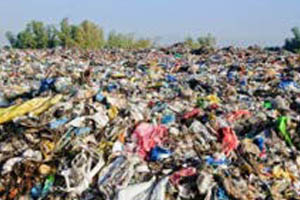
Increased and poorly managed waste, including municipal, industrial, agricultural, and biomedical waste, represents a significant One Health challenge. When waste management systems are inadequate, harmful contaminants and pathogens can enter the environment through polluted air, water, and soil, creating risks to food safety, human and animal health. and ecosystem stability.
As with other One Health challenges, the lack of systems and resources to manage waste safely and effectively can exacerbate other One Health threats. Improper waste disposal and runoff can increase opportunities for disease spread, accelerate antimicrobial resistance through the persistence of antibiotic residues and bacteria, result in a contaminated food supply, and contribute to climate change.
Addressing waste management pollution requires:
- Improved and sustainable disposal practices
- Strong regulatory frameworks
- Enhanced surveillance and monitoring systems
- Increased public awareness to reduce health risks
How is AHFSS Addressing Waste Management and Pollution?
Meat, Poultry, and Egg Safety Branch
The Meat, Poultry, and Egg Safety (MPES) Branch of AHFSS works to address this One Health threat.
MPES oversees rendering operations to ensure safe management of animal carcasses, packinghouse waste, and inedible kitchen grease. Proper rendering practices are critical to preventing environmental pollution and reducing the risk of disease spread. Proper waste disposal is also critical during animal disease outbreaks, requiring timely management to prevent further spread of disease across farms, communities, and the environment.
MPES's involvement in carcass composting, including the development of best management practices in accordance with Assembly Bill 411 (2025), ensures that carcass composting generates a safe, environmentally sustainable soil amendment that improves soil quality.
Together, these efforts protect public, animal, and environmental health by reducing the impact of waste pollution through safe and sustainable waste management practices and emergency response readiness.
Learn more about the MPES Branch of AHFSS and their work to address this One Health challenge.